
Compliance Alert: Updated Health & Safety Requirements for Commercial Properties
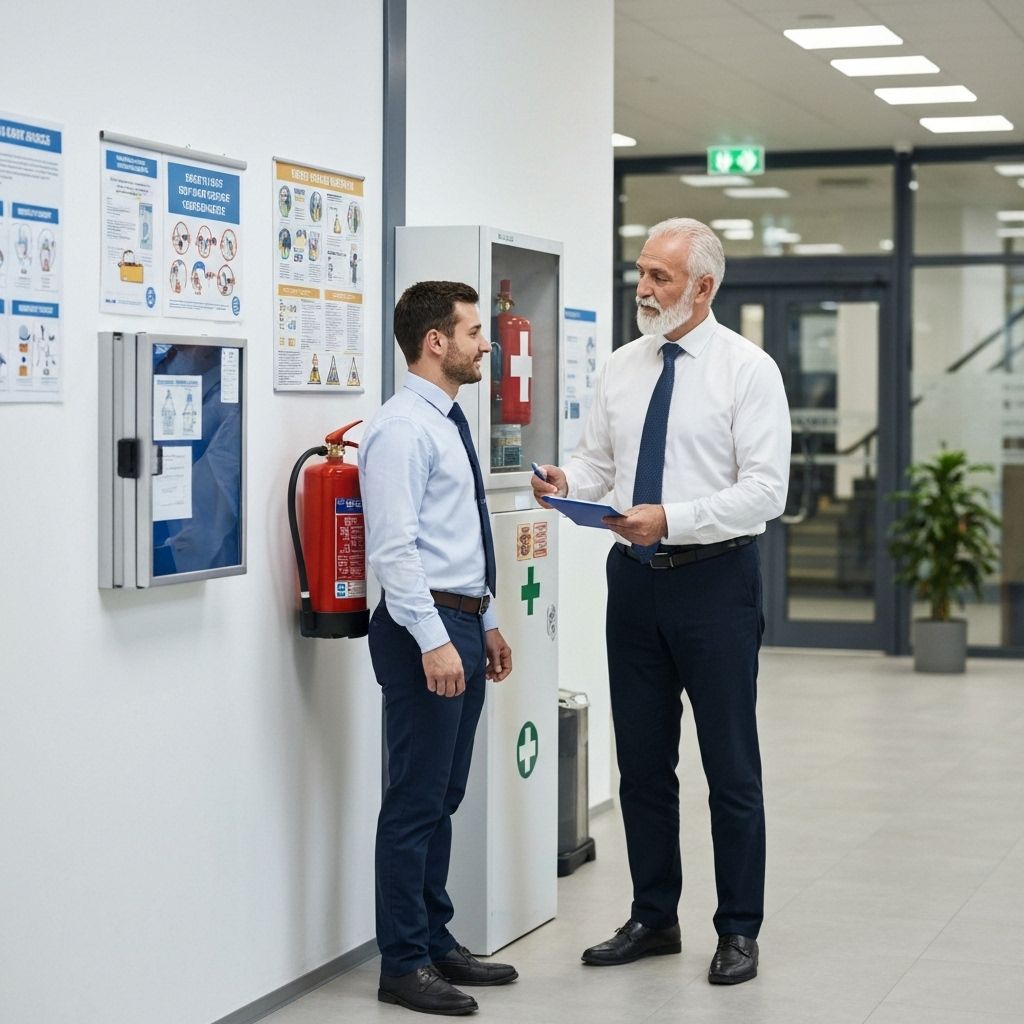
The Health and Safety Executive has updated the rules for commercial buildings in 2025. Here's what's changed — and what you need to do about it.
Deadline: February 28, 2025
You need to review and update your health and safety policies by the end of February. Don't leave it until the last minute.
What's Changed?
Water Safety (Legionella)
Got a complex water system? You'll need to check it more often.
High-risk buildings like hotels need quarterly checks. Standard offices need them twice a year.
The new requirements:
- Check water temperatures weekly and keep digital records.
- Got cooling towers? Get them inspected monthly.
- Flush any taps that aren't used regularly — at least once a week.
- Found legionella? Tell the HSE immediately. No delays.
Asbestos
Building constructed before 2000? Pay attention.
The rules around asbestos management have tightened.
- Get your asbestos survey updated every 3 years. It used to be 5.
- Keep a digital register that contractors and tenants can access.
- Train your maintenance staff on asbestos awareness every year.
- Planning major renovation or demolition? Get a full survey first.
Electrical Safety
The testing schedules have changed. You'll need to test more frequently.
New Testing Schedule:
- Fixed wiring: Every 3 years (used to be 5)
- High-risk environments: Every year
- Portable appliances (PAT): Every 12 months
- Emergency lighting: Monthly checks, full test annually
- Everything must be recorded digitally
Air Quality and Ventilation
Post-pandemic, there's more focus on indoor air quality.
You'll need to monitor and maintain your ventilation systems properly.
- Install CO2 monitors in any room over 50 square meters.
- Service your HVAC system every 3 months — not once a year.
- Keep records of when you change air filters.
- Make sure you're getting enough fresh air into the building.
Working at Height
Does your maintenance team work on roofs or use ladders? The rules have changed.
- Inspect all access equipment every 6 months.
- Test roof access systems annually.
- Refresh working at height training every year. Not every 3 years.
- Have a rescue plan for any work above 2 meters.
Digital Records Are Now Mandatory
Paper records won't cut it anymore.
The HSE wants everything digital — so they can access it during inspections.
You'll need:
- A digital system to manage all your health and safety records.
- Cloud storage that keeps records for at least 10 years.
- A way for HSE inspectors to access your records securely.
- Automatic reminders for when things need doing.
- A system that contractors can access for relevant safety information.
What Happens If You Don't Comply?
The HSE is taking enforcement more seriously this year. Here's what you're risking:
- Minor issues: You'll get 21 days to fix them.
- Serious problems: They can shut you down and fine you up to £20,000.
- Major breaches: Unlimited fines and possible prison time.
- Repeat offenders: Automatic prosecution — and your name published publicly.
Your Timeline
Here's when you need to do what:
- By end of January: Review all your current policies.
- By mid-February: Book any inspections or assessments you need.
- By end of February: Update your policies and tell your staff.
- By mid-March: Get your digital record system set up.
- By end of March: Complete all outstanding inspections.
We Can Help
Compliance doesn't have to be complicated.
We handle everything — from legionella testing to electrical inspections to digital record keeping. You'll have 24/7 access to all your compliance documents, and we'll remind you when things need doing.
Free Compliance Check
Not sure where you stand? We'll audit your property, identify any gaps, and create a plan to get you fully compliant.
Book Your Audit